Impact Report
Willamette Workforce Partnership fuels a vibrant Willamette Valley economy by bringing people together through collaboration, training, and outreach-building a dynamic, engaged, and innovative workforce that powers successful employers and thriving communities.
- The Willamette Workforce Partnership (WWP) is part of a nation-wide workforce system that has existed in various configurations since the 1960S
- The goals of WWP are to work with businesses to meet workforce demands b y training job seekers with the skills employers need and helping remove barriers to employment. A youth services component focuses on assisting out-of-school youth gain skills necessary for work and successful adulthood.
- A board of representatives from businesses, educational and training institutions, community service organizations, and local elected officials guides workforce policy, and WWP staff implements policy through program activities.
- Utilizing federal and state funding, WWP serves 22,000 businesses and three-quarters of a million residents of the Mid-Willamette Valley counties of Linn, Marion, Polk and Yamhill.
- The workforce development board and staff identify industries and sectors that are driving the local economy and develop strategies
and industry consortia to ensure that area employers’ needs are an integral part of planning.
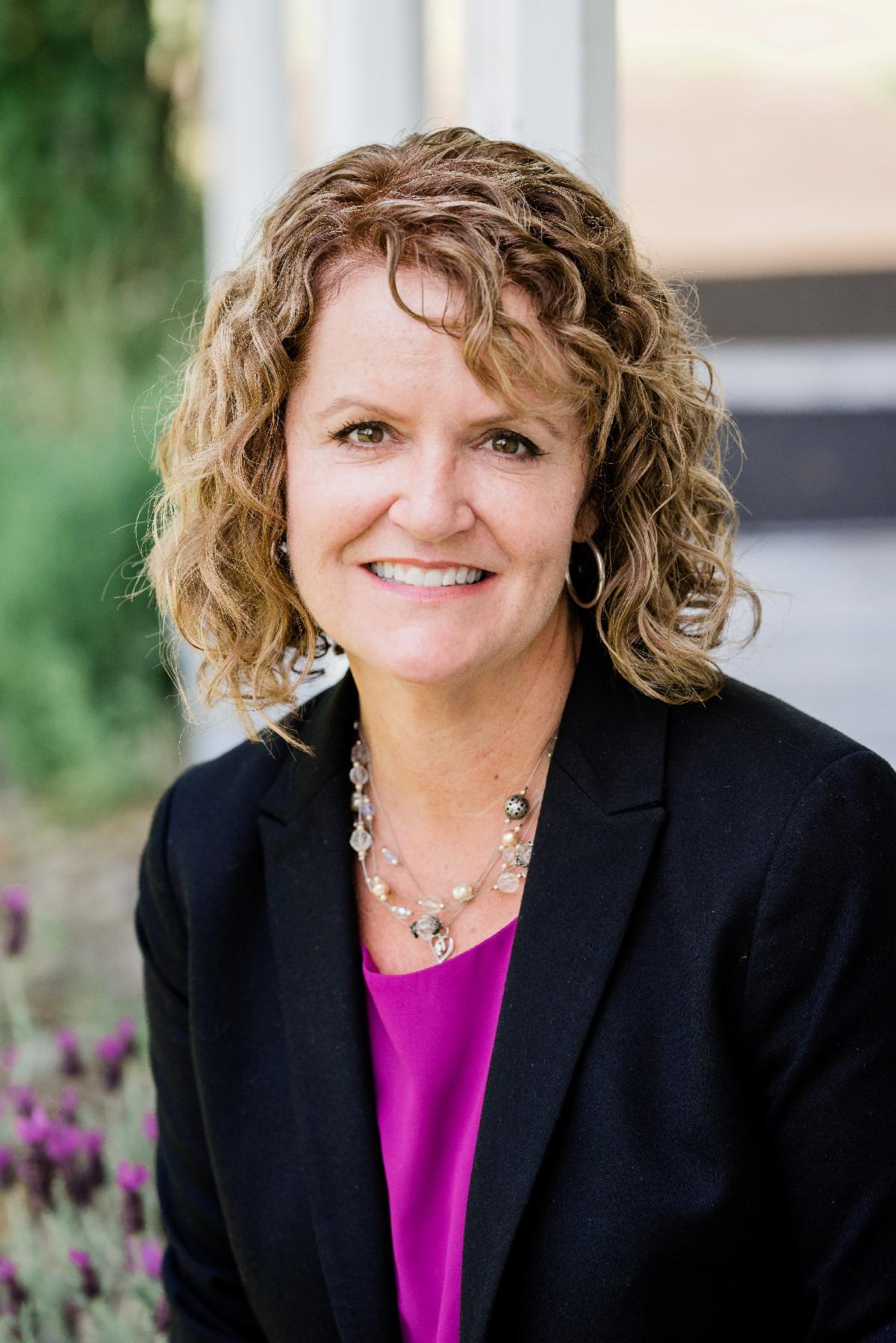
A Note from Kim
Over the past five years, Willamette Workforce Partnership (WWP) has experienced both significant progress and intense challenges. Navigating a global pandemic, while adapting to new norms and expectations, WWP has expanded and evolved its work to meet the moment.
Now, we find ourselves at another pivotal point of opportunity and potential change. The uncertainty around the economic impact of public funding and policy changes requires adaptability and focus. Our purpose has not changed. In fact, it has become even more urgent. These realities demand that we think creatively, plan carefully, and stay rooted in our mission.
Looking ahead, we remain committed to listening, learning, and leading with purpose. While we cannot control external funding or policy shifts, we can control how we respond with creativity, integrity, and a steadfast focus on results that benefit our community. The progress outlined in this Impact Report is a testament to that commitment.
I remain optimistic. Across our region, we see resilience, innovation, strong collaboration, and a shared belief in the power of work to strengthen lives and local economies. Partnerships continue to grow, programs continue to deliver results, and our commitment to connecting people, employers, and opportunity is unwavering.
Together, we will continue to build a resilient workforce system: one that not only adapts to change, but helps shape a stronger future for the communities we serve.